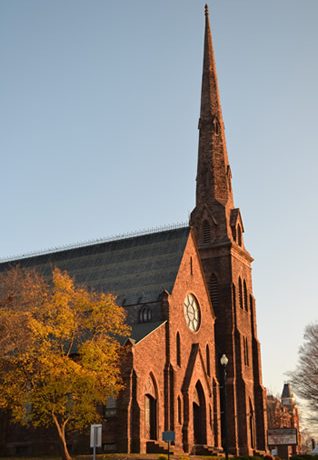
Saving a spot for YOU every Sunday at 11:00 AM for Worship. We joyfully welcome all-ages together for worship and have a Prayground activity area in the sanctuary to engage the younger ones!

Worship Leadership is provided by Rev. Susan Thaine, Church Musician, Gary Simboli, a rotation of Liturgists of all ages, Deacons preparing, and also, with Elders, serving communion, soloists and an enthusiatic 16 person choir.
All About Worship! Worship in a Presbyterian congregation, in its shape and content, is determined by the pastor and the session, the church’s governing body. It generally includes prayer, music, Bible reading and a sermon based upon Scripture, prayers of intercession, personal response/offering, and the Sacraments of baptism and the Lord’s Supper.
What Happens In Worship?
The constitution of the Presbyterian Church (U.S.A.) suggests that worship be ordered in terms of four major actions centered in the revelation of Jesus Christ: Gathering, Word, Sacrament, and Sending.
Prayer. “Prayer is at the heart of worship. It is a gift from God, who desires
dialogue and relationship with us. It is a posture of faith and a way of living in the world. Prayer is also the primary way in which we participate in worship. Christian prayer is offered through Jesus Christ and empowered by the Holy Spirit. Faithful prayer is shaped by God’s Word in Scripture and inspires us to join God’s work in the world.
There are many kinds of prayer—adoration, thanksgiving, confession, supplication, intercession, dedication. There are many ways to pray — listening and waiting for God, remembering God’s gracious acts, crying out to God for help, or offering oneself to God. Prayer may be spoken, silent, sung, or enacted in physical ways” (W-2.0202).
Music. “The singing of psalms, hymns, and spiritual songs is a vital and ancient form of prayer. Singing engages the whole person, and helps to unite the body of Christ in common worship. The congregation itself is the church’s primary choir; the purpose of rehearsed choirs and other musicians is to lead and support the congregation in the singing of prayer. Special songs, anthems, and instrumental music may also serve to interpret the Word and
enhance the congregation’s prayer. Furthermore, many of the elements of the
service of worship may be sung. Music in worship is always to be an offering to God, not merely an artistic display, source of entertainment, or cover for silence.” (W-2.0202).
Scripture. “The Scriptures bear witness to the Word of God, revealed most fully in Jesus Christ, the Word who ‘became flesh and lived among us’ (John 1:14). Where the Word is
read and proclaimed, Jesus Christ the living Word is present by the power of the Holy Spirit. Therefore, reading, hearing, preaching, and affirming the Word are central to Christian worship and essential to the Service for the Lord’s Day.
Preaching. “A sermon, based on the Scripture(s) read in worship, proclaims the good news of the risen Lord and presents the gift and calling of the gospel. Through the sermon, we encounter Jesus Christ in God’s Word, are equipped to follow him more faithfully, and are inspired to proclaim the gospel to others through our words and deeds. The sermon may conclude with prayer, an ascription of praise, or a call to discipleship. In keeping with the
ministry of Word and Sacrament, a teaching elder† ordinarily preaches the sermon.
Intercession. In response to the Word, we pray for the world God so loves — joining Christ’s own ministry of intercession and the sighs of the Spirit, too deep for words. These prayers are not the work of a single leader, but an act of the whole congregation as Christ’s royal priesthood. We affirm our participation in the prayer through our ‘amen’ and other responses” (W-3.0308)
Offering. “Christian life is an offering of one’s self to God. In the Lord’s Supper we are presented with the costly self-offering of Jesus Christ for the life of the world. As those who have been claimed and set free by his grace, we respond with gratitude, offering him our lives, our spiritual gifts, and our material goods. Every service of worship shall include an
opportunity to respond to Christ’s call to discipleship through self-offering. The gifts we offer express our stewardship of creation, demonstrate our care for one another, support the ministries of the church, and provide for the needs of the poor” (W-3.0411).
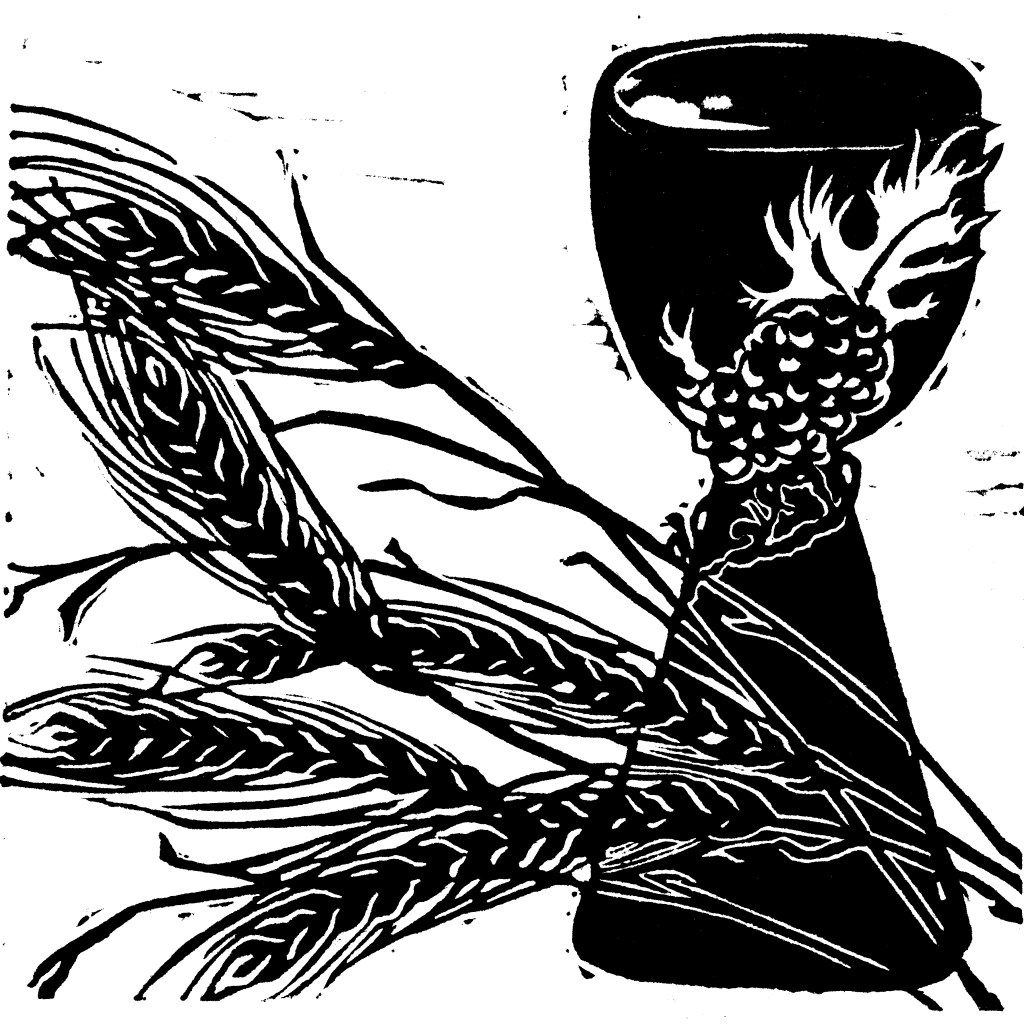
Sacraments. “The Sacraments are the Word of God enacted and sealed in the life of the Church, the body of Christ. They are gracious acts of God, by which Christ Jesus offers his life to us in the power of the Holy Spirit. They are also human acts of gratitude, by which we offer our lives to God in love and service. The Sacraments are both physical signs and spiritual gifts, including words and actions, surrounded by prayer, in the context of the Church’s common worship.They employ ordinary things—the basic elements of water, bread, and wine —in proclaiming the extraordinary love of God. The Reformed tradition recognizes the Sacraments of Baptism and the Lord’s Supper (also called Eucharist or Holy Communion) as having been instituted by the Lord Jesus Christ through the witness of the Scriptures and sustained through the history of the universal Church” (W-3.0401).
 Albion 1st Presbyterian Church